

The House that Love Built: Part II
The Price of Staying Put


[NOTE: “The House That Love Built is an ongoing documentary project.
Some of the writing here exists inside that work.”]
Lately I’ve been thinking about the word belonging—especially around Thanksgiving. Like potlucks and block parties, but something you earn by being polite enough, grateful enough, quiet enough. But in America, belonging isn’t an emotion. For families like mine, belonging has been a border. A test. A moving target you’re supposed to chase but never catch.
Black Americans knew this all along. When we tried to belong inside America — we got rules, laws, policies, and “unwritten understandings” meant to shepherd us right back out. When we tried to belong among ourselves — to build something steady, something ours — entire communities were reduced to ash and the country called it “progress.” If we tried to belong through service, through sacrifice, through the flag and the uniform and the belief that loyalty buys safety… well. My grandfather came home from two wars and was treated like an inconvenience. Benefits denied. Housing blocked. His family thrown out like trash then pretended they never existed. So I keep circling the same question: Where, exactly, are we supposed to belong if every path toward belonging becomes an accusation, a threat, or a punishment?
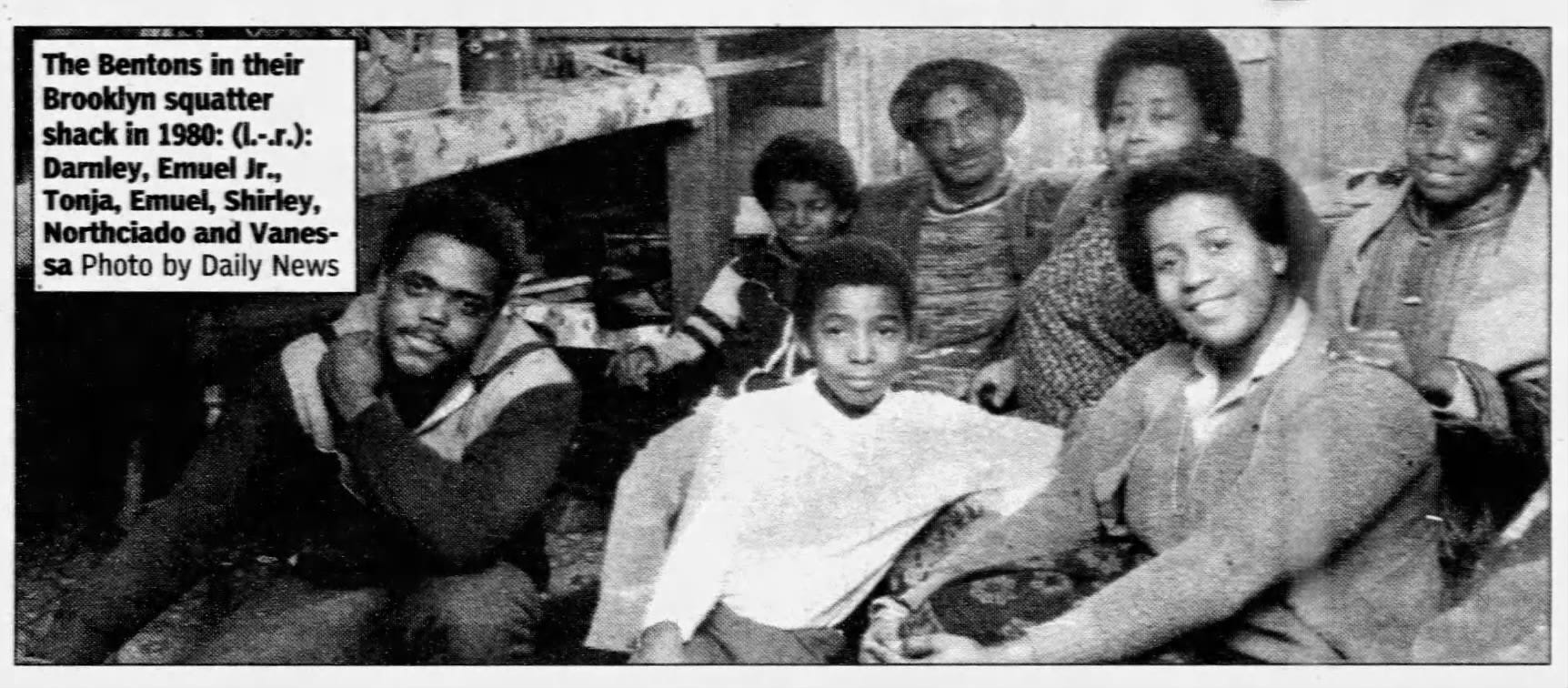
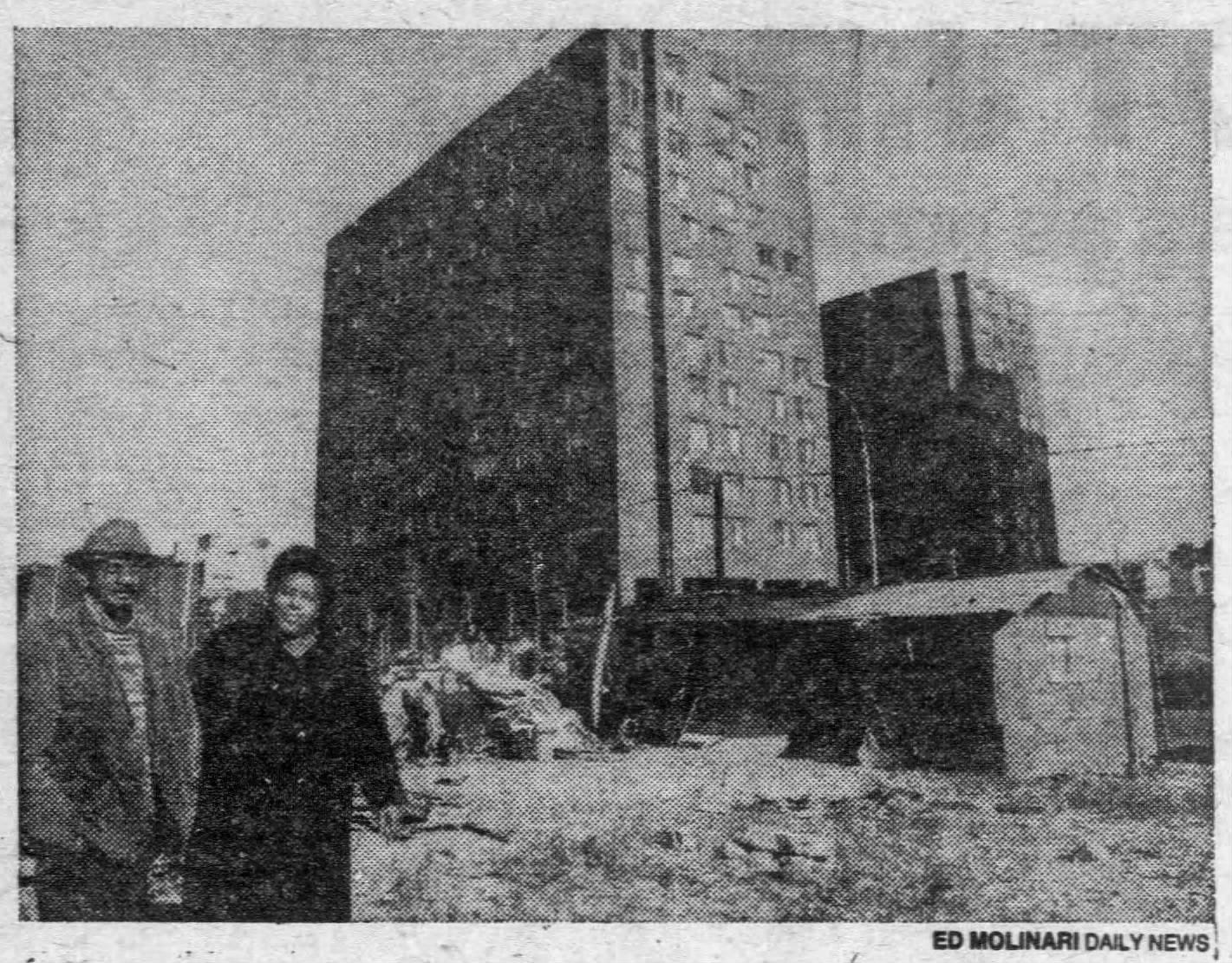
My family learned that the hard way. My grandparents built a house on a vacant lot, and suddenly their existence wasn’t just “in the neighborhood.” It was of the neighborhood. It meant they weren’t passing through. They were pushed out because they dared to root themselves somewhere the city never intended them to stay. Independence becomes defiance. Stability becomes trespassing. This country has never had a problem with Black people wanting to belong. It has a problem with Black people staying. Staying put, staying rooted, staying visible, staying permanent.
And underneath all of this is a truth: America isn’t confused about Black belonging. It’s threatened by Black permanence. The idea that we could stay, build, and exist without permission. It’s about enforcement. It’s vulnerability dressed up as community. It’s the power to grant a conditional ‘You’re allowed,’ and to revoke it in an instant: ‘Now you’re not.’
So if you got this far you are probably wondering in all this cynical ranting what is the solution? The answer; you are reading it now. If belonging keeps getting weaponized, then maybe the only honest place to belong is in the truth even after they tore down the house, they couldn’t erase the story. They couldn’t stop the memory from surviving. They couldn’t stop me from writing this in telling what happened, in saying the quiet parts out loud, in reclaiming the ground they tried to pull out from under us.
This documentary is not about nostalgia. It’s not an elegy for a house. It’s a record of what happens when a family decides to stop asking where they’re allowed to belong — and starts naming what was taken from them.