

The House That Love Built
The True Cost of Belonging in America

[NOTE: “The House That Love Built is an ongoing documentary project.
Some of the writing here exists inside that work.”]
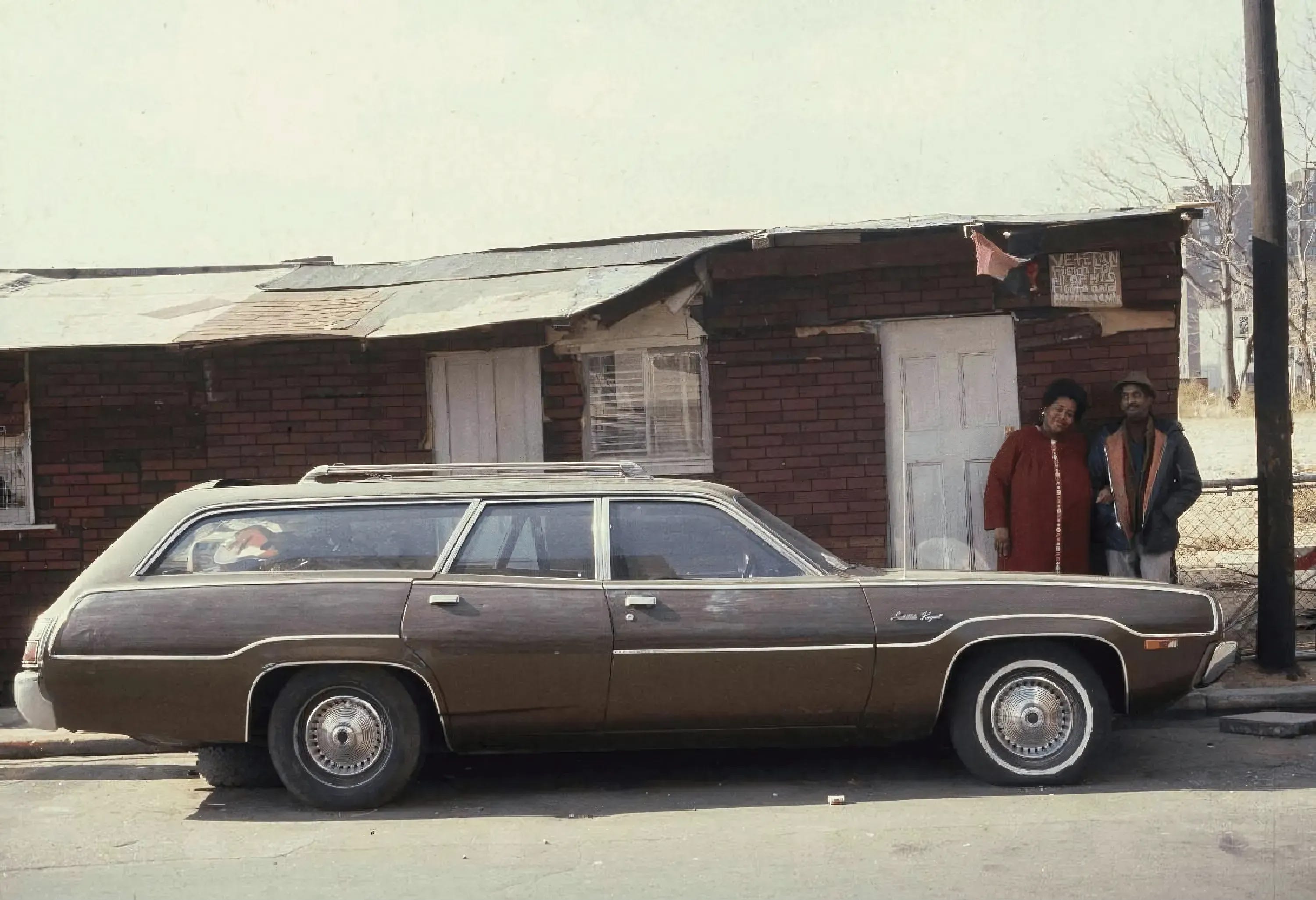
The American Dream of the 1950s was sold with a white picket fence. For my grandfather, Emuel Benton, a decorated war hero, the dream looked like this: a small, self-built house in Brooklyn, and a well-kept lawn he maintained with pride into the 1990s.
From the outside, it could almost pass for the peaceful life he fought for. But the photo is a lie. The fence around our home wasn’t white picket; it was a barrier against the world. Behind it was not peace, but a brutal, unfiltered reality of insults, betrayal, and a constant fight for dignity.
My grandfather came home from two wars only to have his country break its promises. Denied the VA benefits and housing support he earned, he was forced to become an outlaw to provide for his family. His crime? Building that home on a vacant lot.
America romanticizes self-reliance and living off the grid. It celebrates the pioneer spirit. But that celebration has always had a silent, brutal condition. It never intended for a Black family like mine to truly own their piece of it. The system would see to that.
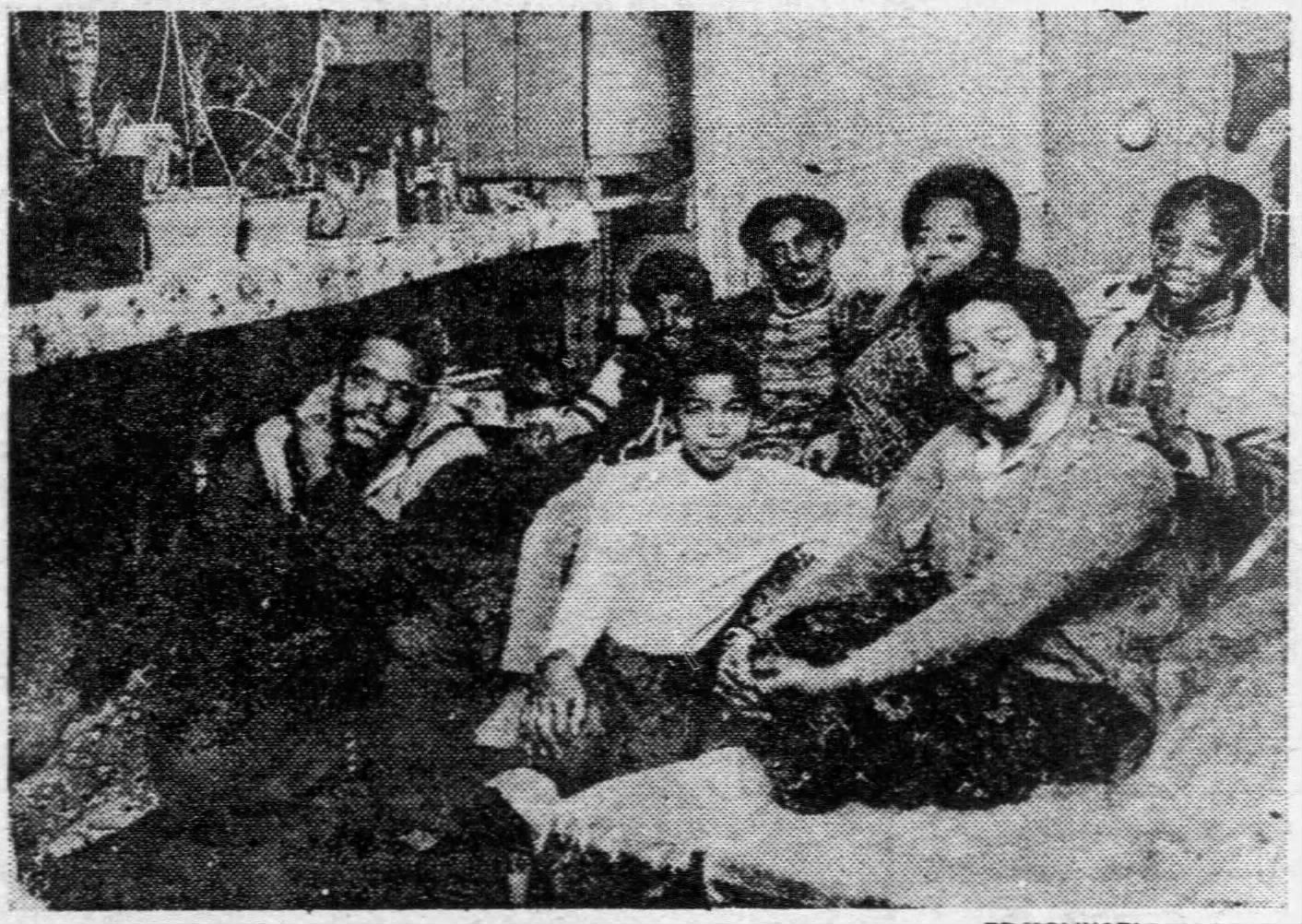
The Bentons, trusted the promise. A Family of faith, discipline, and quiet duty—the kind of family the American Dream was written for. I remember the stories of how my family saved every dollar just to provide food and education, how my Grandfather came home from two wars with wounds you could see and some you couldn’t, believing his service had earned his family a place to belong. But that math never added up for him. He worked a steady job at the post office, his hands handling the very machinery of American connection, while he was systematically disconnected from its rewards. The system saw a Black veteran not as a hero to be honored, but as a liability to be managed. They denied him the benefits he’d earned, locked him out of the housing he deserved, and when his body and savings were both exhausted, they evicted him and his family onto the street.
America told him to play by the rules, so he did. It told him to be self-reliant, so he was. And when he succeeded, it revealed the cruelest rule of all: the game was rigged. So he built a home from nothing. With these same hands that had saluted and saved and sorted mail, he gathered scrap wood and dared to build what the country wouldn’t give him. And for that ultimate act of self-reliance—the very bootstrap-pulling we mythologize—he was treated not as a pioneer, but as a criminal. If the Dream could collapse under the weight of my grandfather’s honest effort, we have to ask: was it ever meant for all of us, or only for those it was built to protect from the beginning?
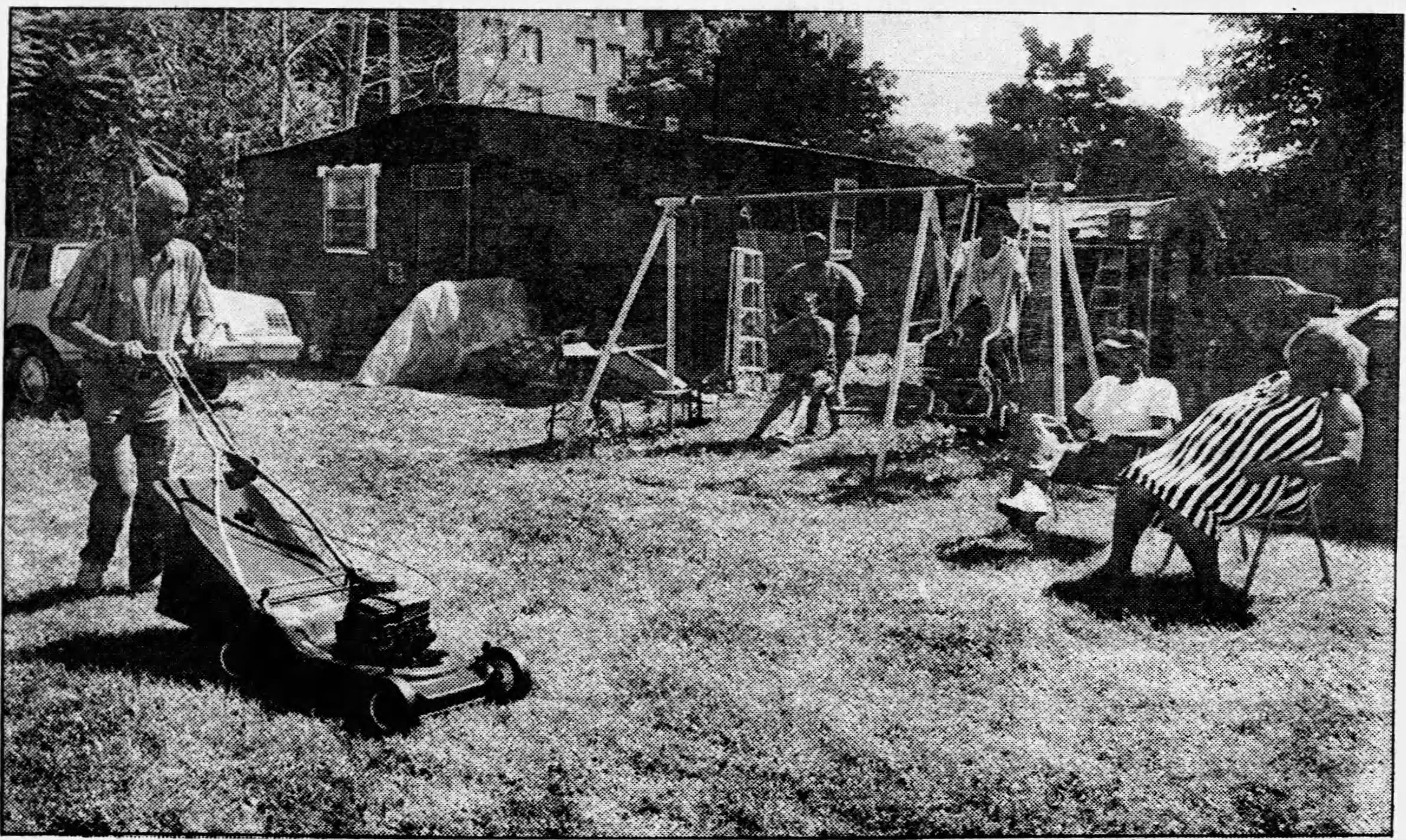
That photo of my grandfather mowing his lawn. It shows the quiet dignity of a man who’d earned his piece of the Dream. But I know the truth behind that image. The fence around his home wasn’t white picket; it was a boundary drawn against a world that refused to let him rest. Each push of the mower wasn’t about pride; it was a defense, a daily ritual of holding ground in a city that saw his presence as temporary. denying the benefits he’d earned, evicting his family onto the street—he became the truest version of the “self-made man” this country claims to idolize. With no mortgage, no subsidies, no help from the nation he fought for, he built a home. I imagine his hands, still familiar with the weight of a rifle, now sorting through scrap wood and bent nails. He built with the only things they couldn’t tax or take from him: his will, his sweat, and his family.
America loves the myth of the builder, but only when the building feeds its machinery of profit. My grandfather’s home was not an asset in their system. It was a declaration of independence from it. And for that, it had to be destroyed.
For my family, the American Dream was never a white picket fence. It was the dignity of a mowed lawn. the laughter of a warm house and a The safety of a family. The Bentons didn’t want to inherit someone else’s dream; we wanted the right to build our own, board by board, with the same faith and labor this country claims to honor.
And when they did—when The Bentons transformed a vacant lot into a living testament of self-reliance—the system didn’t see a home. It saw an inconvenience. They destroyed what he built not because it was inadequate, but because it was too free. That’s the hidden clause in the American Dream: you can belong, if you let them write your story.
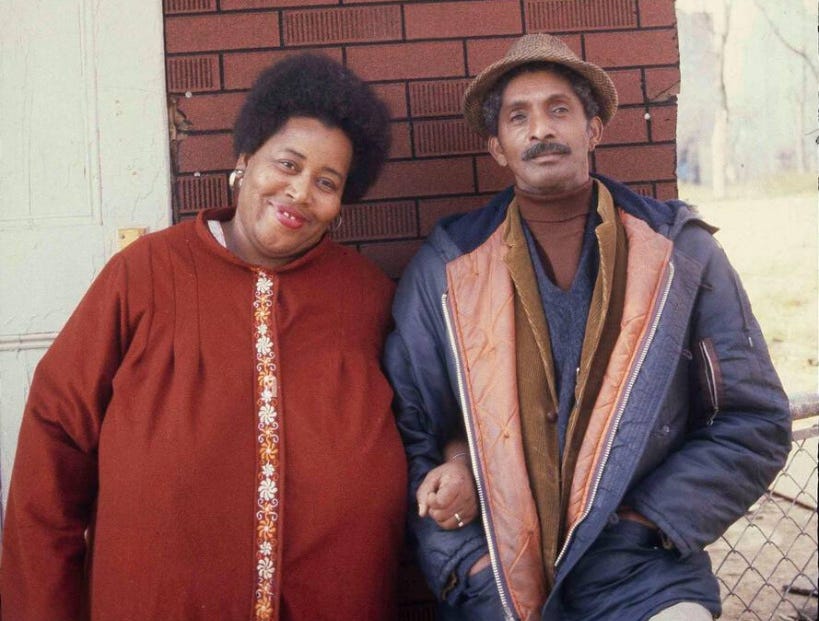
The House That Love Built isn’t just about a house we lost. It’s about a story we are taking back. It’s me, holding a camera where my grandfather once held a hammer, determined to finish what he started. He built with scrap wood and will. We are building with memory and truth. The real inheritance wasn’t property—it was the right to tell our own story, in our own words, and finally make the world listen.
(Continue to)
The House that Love Built: Part II

Thanks for reading! This post is public so feel free to share it.