

The Portrait in Your Pocket
How We Curate Ourselves Into Dynasties

Once, only the wealthy could afford a portrait. Now, we all paint ourselves daily—with pixels instead of oil, filters instead of flattery. The canvas is digital, the gallery is infinite, and the gaze is eternal.
There was a time when you sat for hours, stiff-backed and powdered, while an artist translated your existence into pigment. The final image wasn’t meant to tell the truth — it was meant to declare who you wished to be seen as. Status. Power. Inheritance. A life curated into a single frame.
Imagine a person who relies on that frame for their survival. It governs their posture, their breath, even the tilt of a hand. The parameters of how they must appear… and then the world conforms to it. A frame born from trauma that hardens into power.
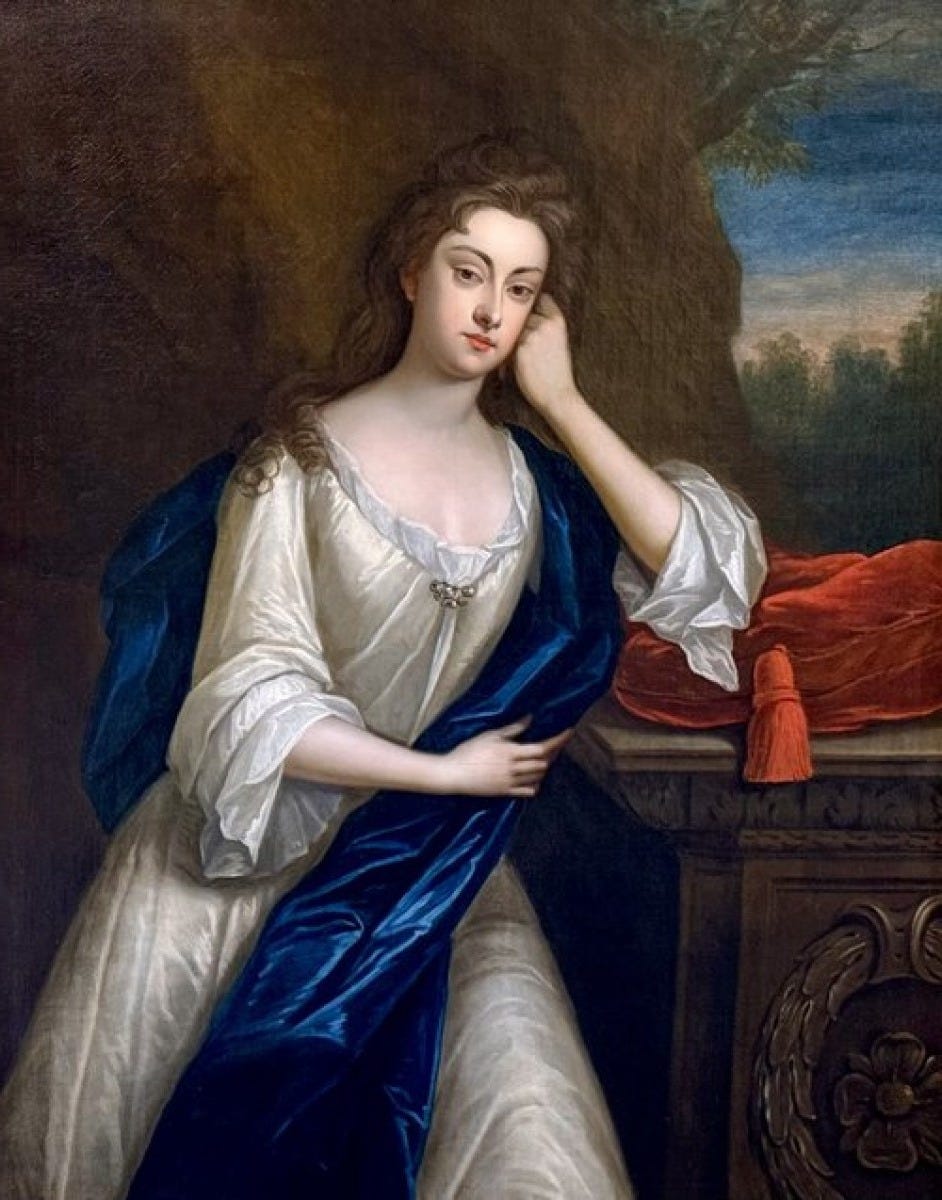
Today, we adopt such frames not under threat of ruin, but in pursuit of validation. The coercion is internalized. The portrait-sitter is now also the painter, the critic, and the curator—and the gallery never closes. Fast-forward a few centuries and nothing has changed, except the speed. Scroll through Instagram or TikTok and you’ll see the same architecture. Except now it’s voluntary. Chosen. Performed. Now everyone is a portrait-sitter. Everyone curates an image. And everyone lives inside the frame they built — whether they realize it or not.
We’ve democratized portrait culture, but not the psychology behind it. The frame used to be a gold-trimmed rectangle on the wall. Now it’s a customization rectangle in your pocket; a portable mirror that only reflects what you’ve pre-approved.
Digital courtiers with ring lights instead of chandeliers. Brand deals instead of royal titles. A curated identity instead of a lineage. If the 18th century aristocrat families had salons and portrait sittings, we have algorithms and verification badges. Same desires, different tools.
And nowhere is this clearer or more revealing than in the rise of digital dynasties like the D’Amelio family.
The D’Amelios are shaped by the silent architecture of platforms. The algorithmic estate that governs modern fame.
Bear with me for a moment:
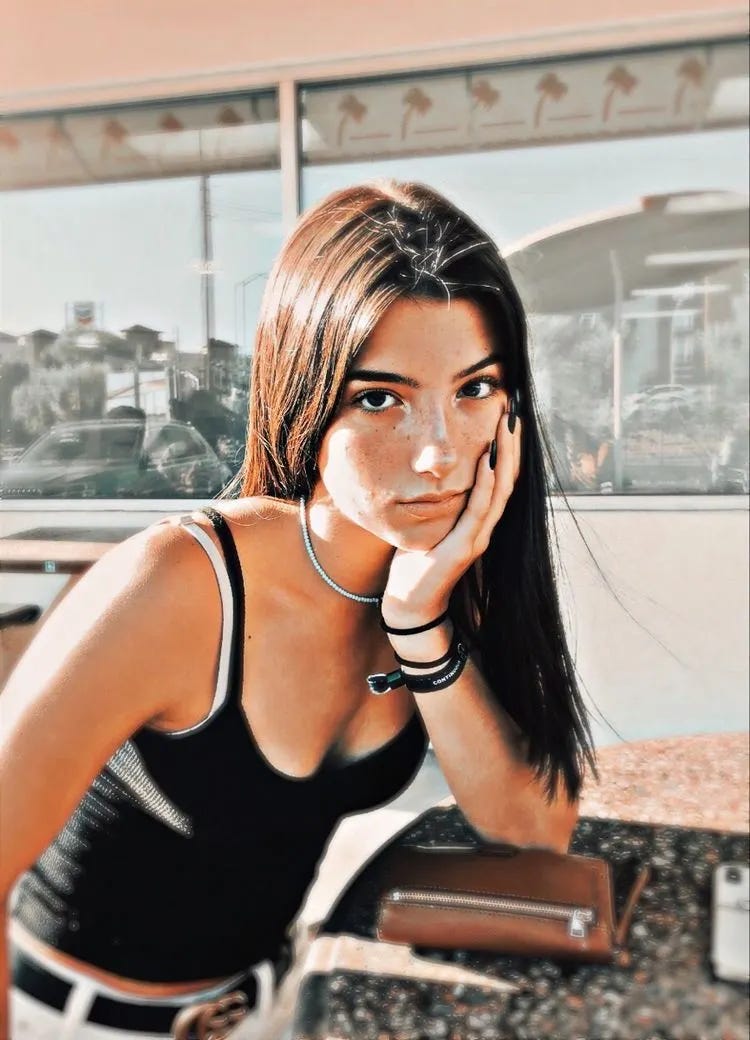
Then: wealthy families commissioned portraits to cement status.
Now: Charli posts a TikTok dance, and the algorithm elects her.
Her “relatable bedroom dance” wasn’t just content it was the first stroke of a new family portrait. A frame was chosen for her: The Girl Next Door Who Accidentally Became Royalty. But nothing about virality is accidental. The D’Amelios became more than a household, they became a House. Charli as the crown jewel, Dixie as the Rebellious Heir, Heidi and Marc as the Lord and Lady of the manor. Every dinner becomes content; every moment is a potential post.
On TikTok, the D’Amelios were framed by spontaneity; a girl dancing in her bedroom, a family goofing off in the kitchen. The narrative was accidental fame: relatable people lifted by the algorithm. The frame was light, loose, and seemingly uncurated.
On Hulu, that frame is deliberately re-painted. The D’Amelio Show, Charli has an on-camera anxiety episode before a brand shoot. It’s raw, vulnerable and meticulously included. It’s a conscious reframing: from “America’s sweetheart” to “young woman buckling under the gaze.”
On TikTok, Dixie was the “edgy older sister.” On Hulu, her struggles are serialized: music industry pressures, public criticism, family tension. Her persona is retroactively deepened—the “rebellious heir” trope is given a psychological backstory. The frame is no longer a pose; it’s a character arc.
On TikTok, they were supportive, sometimes silly parents. On Hulu, they’re managers, mediators, and moral anchors. Scenes show Marc worrying about business deals their parenthood is professionalized.
Here, the same family is repainted in shadows and studio light. Charli’s panic attacks, Dixie’s rebellion, Heidi and Marc’s managerial anxieties all become episodes in a serialized portrait of the cost. This is no longer the ‘girl next door’ frame. This is young royalty under pressure, a dynasty documenting its own coronation headaches.
Their Hulu show is not reality. It’s portraiture. A curated depiction of “realness” engineered to maintain the frame the public demands. For the D’Amelios, the brands, the followers, the algorithm. They dictate what is allowed.
Charli cannot simply grow up; she must rebrand. She cannot simply change; she must frame the change. The portrait must be updated, not abandoned. They are free, but only within the borders of their image.
The irony is that mechanical reproduction — the thing Walter Benjamin swore would liberate art from aura — didn’t destroy the aura. It just gave aura to everyone. Now we are all auratic objects, self-created and self-consumed.

Influencers make their frames real through awe and envy. The rest of us maintain our frames out of obligation, habit, or the quiet terror of being invisible in a world that measures existence in impressions.
We keep constructing the self as something that must be displayed, optimized, prettied up, sold back to us through engagement metrics. The pose has become the person. The aesthetic becomes the identity. And authenticity the thing everyone claims to chase is just a different filter pack.
No wonder the culture feels like it’s fraying. We’re not living lives anymore. We’re maintaining images, And while some people do realize this. Our tragedy is that we do realize it — and keep refreshing anyway. Because in this era, not being seen feels like not existing in a digital canvas where the frame governs us.