

“They Waste Us”
Wasted talent as a social failure, not a personal one

Growing up I had this unnerving fear of ghosts, like in the dead of night in my childhood apartment it always felt like an echo or something around the corner waiting in the shadows, maybe death, something I couldn’t understand and that lack of understanding was haunting.
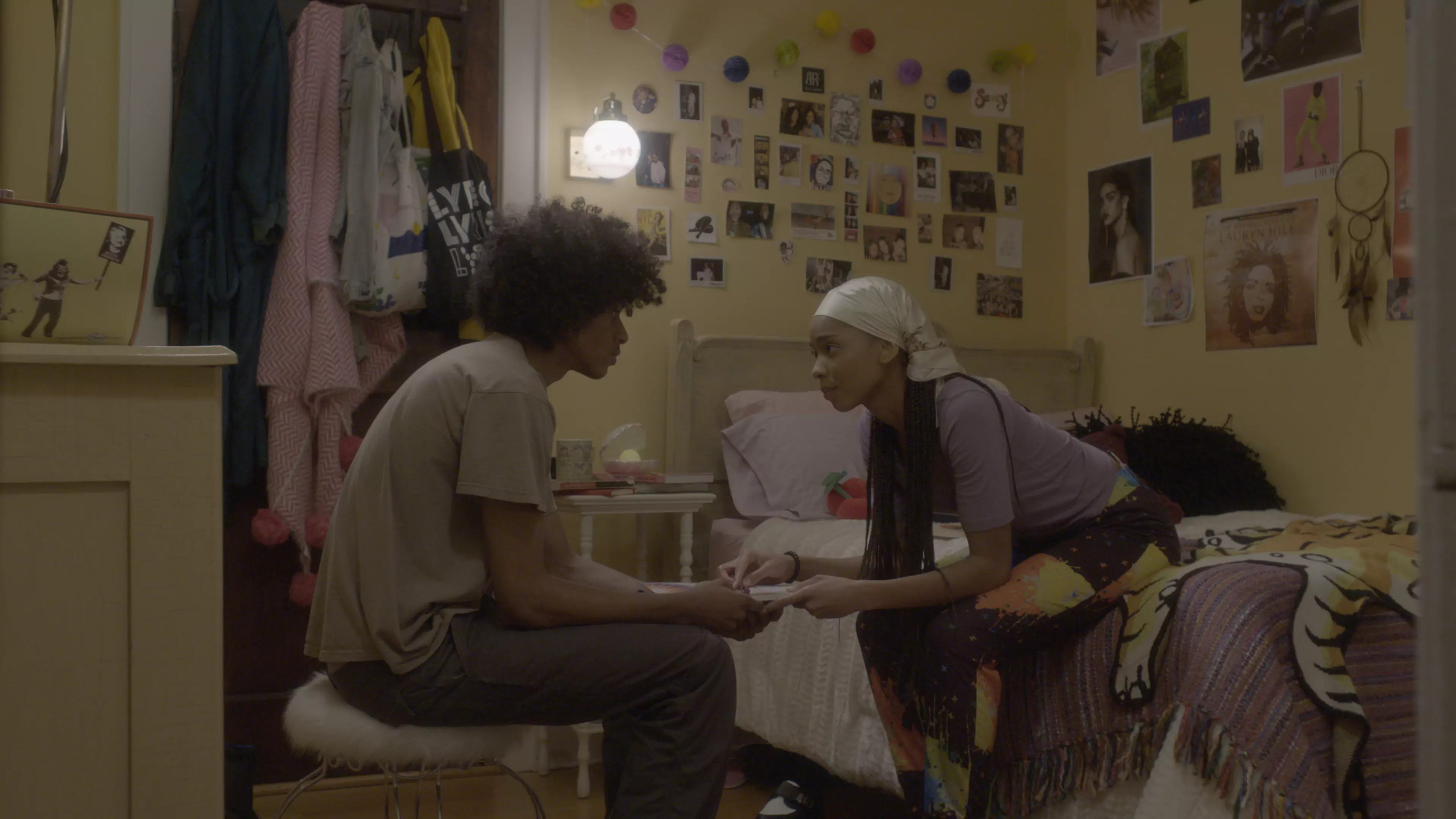
As I grew up I realized ghost weren’t the unimaginable figures in my childhood room, but living ghosts of potential I saw fading in the hallways of my school, in the kids on my block. It was a quiet, recurring ache—one by one the sense that talent and exceptionalism was wasting away, and opportunity was rare and brittle, or meaningless.
We’re taught that “don’t waste your talent” is a personal warning. It places the burden entirely on the individual: hustle harder, focus more, want it enough. But through the lens of the stories I saw, that phrase rings hollow. Talent doesn’t just die in isolation; it dies in an ecosystem of neglect.
My film Wasted Talent was born from that ache. It wasn’t a confession of my own life, but a crystallization of a social pattern I witnessed: the pattern of promise, systematically unfulfilled. The phrase “wasted talent” is framed as a personal warning, but in reality, it’s a social hurdle people have to overcome just to matter. Wasted talent isn’t always a choice. Often, it’s what happens when the world refuses to provide a stage, a safety net, or simply a second look.
Wasted Talent (2021) follows Marcus (Chetan Cutting), a thoughtful high school teenager who finds himself in a harrowing encounter with members of the local gang, Bloc Boyz. Fortunately, he’s rescued by Dario, Louis, and Jashawn (Omari Johnson, Ahmad DeChallus, Dexter Philips)—fellow students with affiliations to the same gang. Their paths converge in detention, where an unexpected bond begins to take shape, fueled by their shared passion for music. Yet, as their aspirations of breaking through in the music industry unfold, the boys quickly discover the complexities that lie ahead, testing the limits of their dreams. (IMDb)
The Boy With the Thesaurus
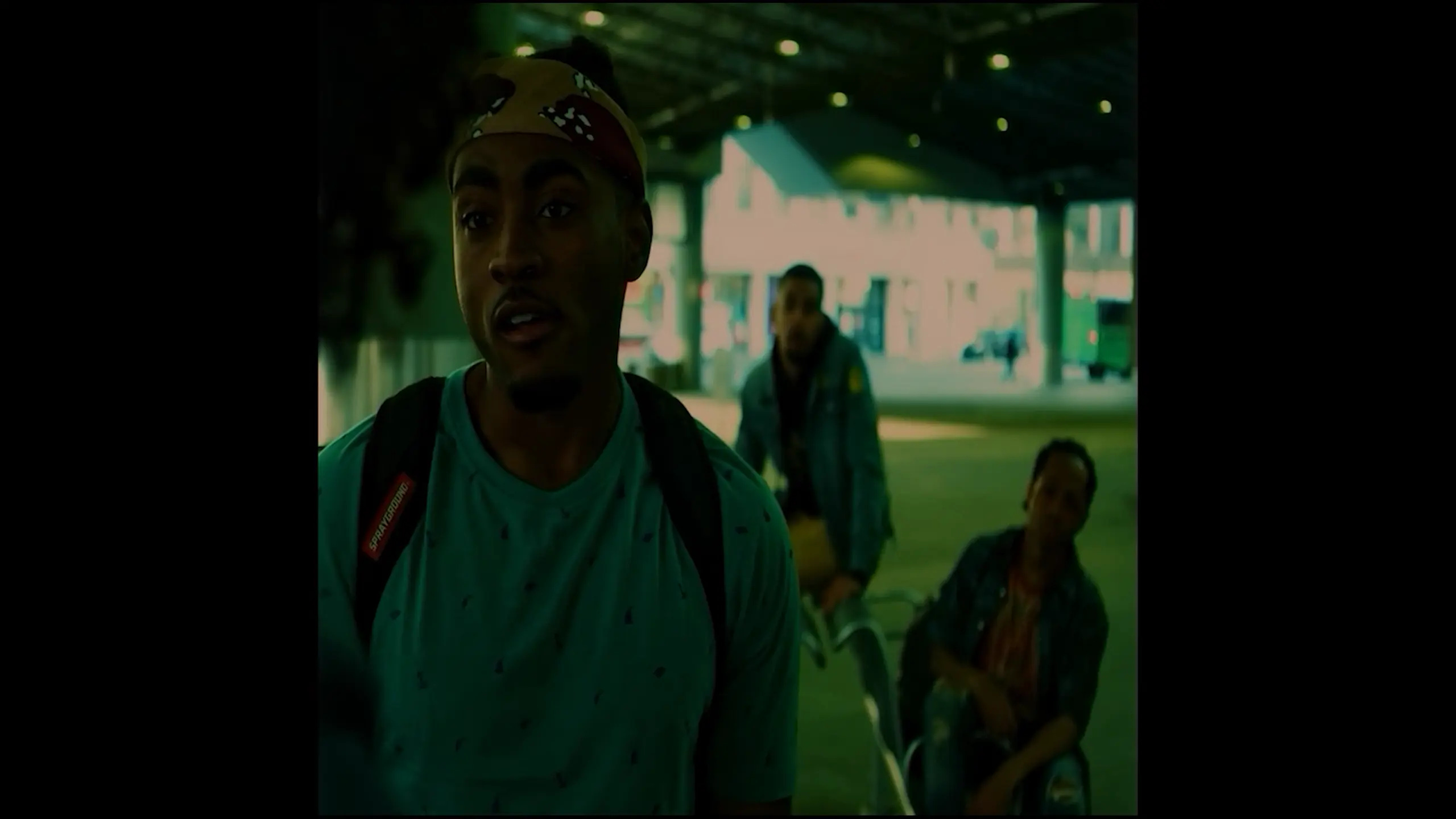
Dario. He’s the boy with the thesaurus. He is the case study. He was talented—he spit rhymes “with pens and paper,” not just for show—but he was also invisible to the systems meant to support him. He was caught in the crossfire of a world that measures kids like him but never truly sees them. My protagonist, Marcus, describes watching him in detention, this kid who wasn’t just a “dumbass Bloc-Boy,” but someone who carried “a fucking thesaurus” and, with his words, created a bond through his story and trials.
Zoom out from Dario, and you see the blueprint for this waste. It’s in the underfunded schools where the arts are the first programs cut. It’s in the communities starved of resources, where potential is suffocated by a lack of options. It’s the myth of meritocracy, which insists that talent alone is enough to rise, conveniently ignoring the uneven playing field. This plays out in the film the boys sit waiting for the bus when Dario is shot and killed — a moment as senseless as it is jarring.
Dario’s story ends because the system offers no protection. He becomes a statistic. Marcus recounts the horror: “He died. He was shot in the shoulder and bled out in front of me.” His death isn’t a random act of violence; it’s the logical, brutal endpoint of being wasted. As Marcus rages, “It wasn’t their fault they were born into a world where children are purposely wasted... They waste us and use us as a fucking... number in some statistic.”
The Sleight of Hand
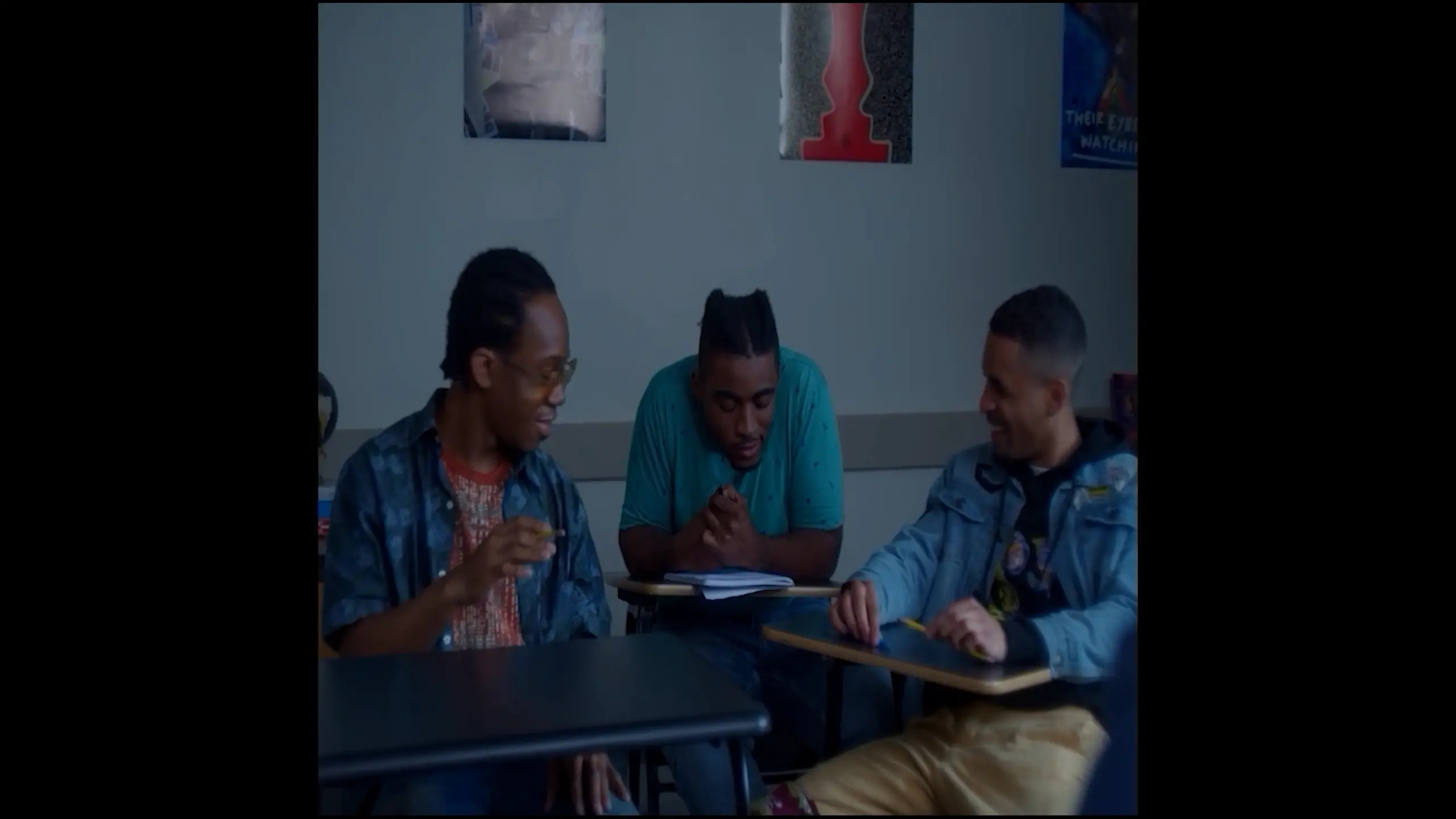
The language of “wasted talent” is a sleight of hand. It individualizes a systemic failure. It makes us point fingers at the fallen, instead of at the structures that pushed them. This isn’t a difference in the students’ innate talent. It’s a difference in their platforms. The ‘sleight of hand’ is in pretending a student from the second school has the same chance to ‘not waste their talent’ as a student from the first. The ecosystem is designed to nurture potential in one place and neglect it in another.
We celebrate the ‘self-made’ artist who triumphs over adversity, but we use that story to ignore the thousands more whose talent is filtered out not by a lack of passion, but by a simple lack of capital. The platform—the network, the unpaid foot-in-the-door, the financial safety net—is treated as a personal resource, when it is in fact a structural barrier. This is the ultimate perversion of the ‘wasted talent’ narrative. Here, a child isn’t just neglected; the system actively criminalizes their struggle. The structure doesn’t just fail to provide a platform; it actively dismantles the one they’re standing on. The talent isn’t wasted; it is incarcerated.
The Witness
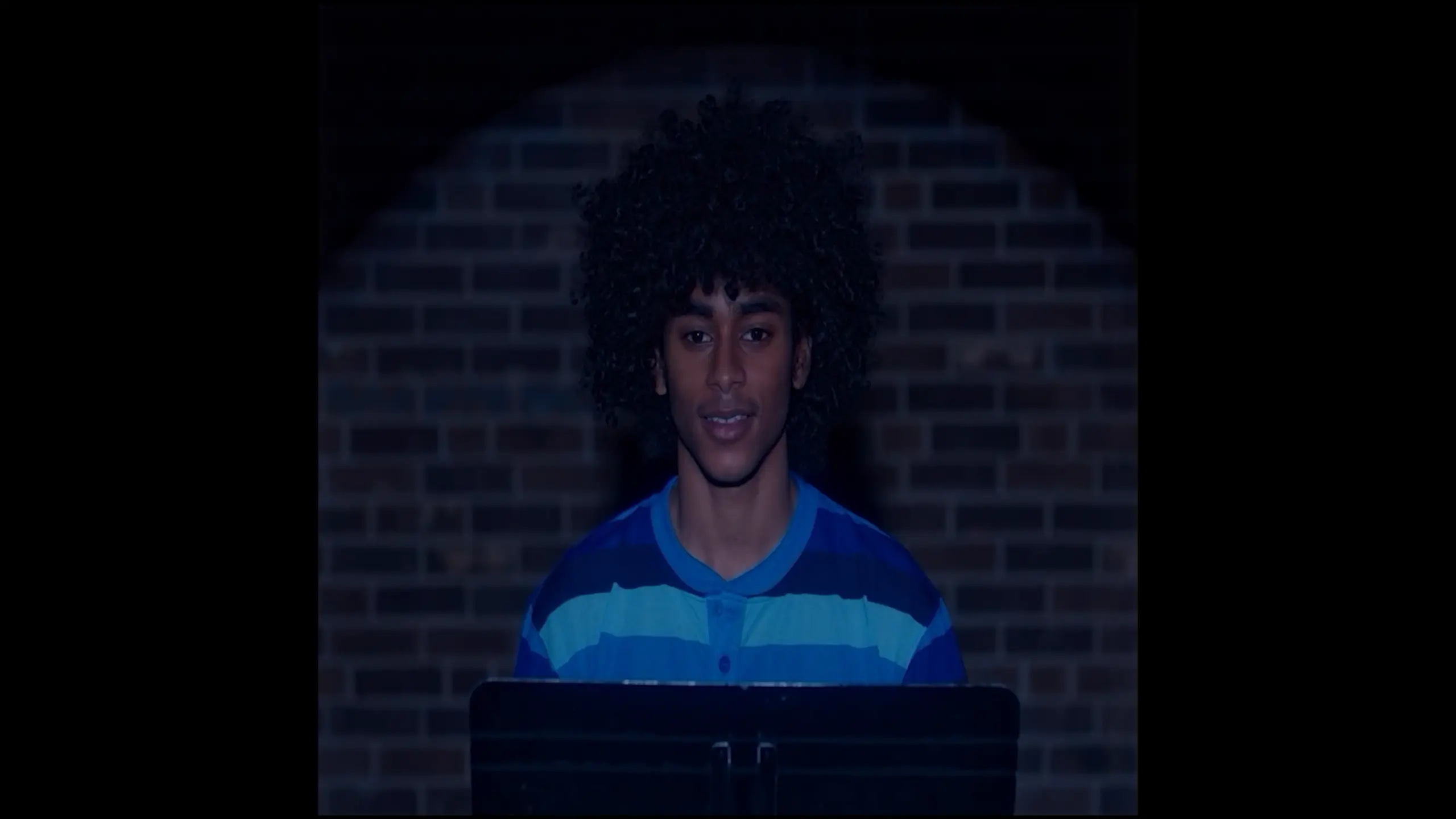
My position in all of this is not as Marcus, the survivor, but as the witness. My grief is not for a specific friend I lost, but for the collective loss of what could have been. I grew up watching people disappear—not in a physical sense, but in the slow dimming of their light, the quiet surrender of their dreams for lack of attention or a single, meaningful opportunity.
Making Wasted Talent was my way of saying: I see this pattern, and I will not let it be silent. It is an act of witnessing, of grabbing these stories from the edge of oblivion and forcing them into the light. Marcus’s rage in the script is not my rage from personal experience, but my empathy and frustration channeled into a character. It’s the anger of seeing a beautiful machine built for purpose, only to watch it be used for parts.
really well written, Derrick!
Soooo insightful and well written.