

What I Was Really Writing About This Year
Essays on hip-hop, family, power, and the machines that decide who belongs.

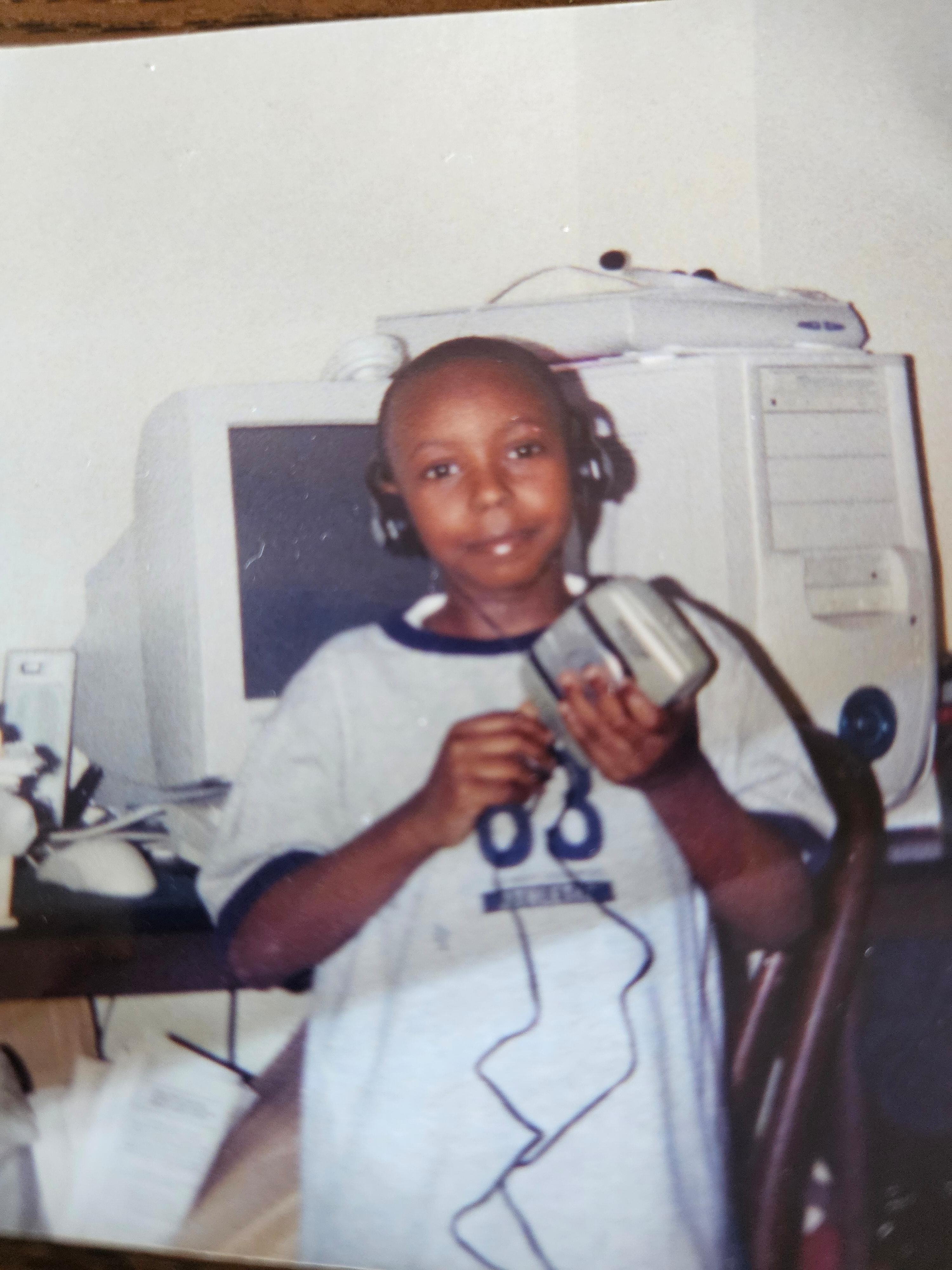
The Frame I Was Trained In
I didn’t set out to become an essayist this year. I’m a screenwriter first. I think in scenes, power dynamics, and who controls the room. This year, I kept writing essays not because I wanted to, but because the world wouldn’t stop behaving like a script I couldn’t rewrite. Why some families get preserved while others get erased. Why love, home, and visibility always seem to come with terms and conditions.
Writing scripts trained me to believe that frames are chosen. You decide where the camera sits, what the audience knows, when a moment begins and ends. But while making a documentary about home this year, that belief shattered. Real people don’t stay on their marks. Memory resists structure. Stories push back. The frame wasn’t something I could craft; it was something I had to negotiate, and sometimes accept after the fact. Working that close to lived history made something else clear: control doesn’t disappear just because you stop directing. It relocates. Who gets remembered. Who gets protected. Who becomes “too complicated” to keep in the picture.
When I write an essay or a script, I don’t start with a theme. I follow a mood, a pressure, a thought that won’t resolve itself. But the same questions kept surfacing across everything I touched. In essays, in scripts, in the documentary, I kept returning to the mechanics of inheritance — not just of property or blood, but of narrative. Who gets framed as legacy. Who gets framed as damage. Who is allowed to pass something down without apology.
Inheritance Without Consent
When I wrote about houses, I wasn’t interested in architecture. I was interested in how memory occupies space. How a home can preserve a family’s story — or trap it there. How staying put can be an act of love or a sentence, depending on who history decides belongs.
When I wrote about portraits and digital dynasties, I wasn’t chasing internet culture. I was tracing how visibility hardens into power. How being seen is never neutral. How some images stabilize families while others flatten people into spectacle.
We like to believe we control some meaningful facet of our own lives. But the closer you look at who actually decides — who is remembered, protected, extended grace — the farther that sense of control slips from view.
The masks, the VPNs, the refusal to be legible — those weren’t contradictions. They were responses. If visibility is a currency, then opacity becomes a form of agency. Sometimes survival depends on staying unframed long enough to choose yourself.
Even the fiction followed suit. I kept writing worlds where love is regulated, distributed, weaponized. Where intimacy comes with compliance baked in. Where being seen, touched, or chosen always carries a cost.
Taken together, these weren’t separate projects. They were different angles on the same problem: how power decides which stories get preserved, and which people get edited out.
While I was writing about control and belonging, my real life was testing those theories. Making a documentary about home forces you to learn who stays, who leaves, and who only belongs to the version of you that was useful to them.
Why Both Forms Matter
Screenwriting taught me how to think through people. To let ideas emerge through action, contradiction, silence. Characters can carry questions farther than arguments ever could. Essays don’t replace that. They require me to be explicit; to say the thing without dressing it up as a character’s problem or a plot point. Both let me talk my shit. They just do it at different volumes.
I don’t know what I’m building yet. But the questions are consistent. They don’t resolve cleanly in any single form, and they don’t stay where I put them. Life keeps borrowing the logic of art, and art keeps answering to the conditions of real life. Some questions need the distance of fiction to breathe. Others demand the directness of an essay to be said at all. They persist — and they ask different things of different kinds of work.
👑🔥🌟