

You Get a Car (And Everything Else Gets Decided)
Fatalism, revisionist history, and the stories decided before they finish happening

We used to think revisionist history was something that happened later. After the bodies were buried. After the monuments went up. After the winners wrote the books. Now it happens before the story is over. Sometimes before it’s even begun. Fatalism used to be a slow voiceover, a narrator telling you how it ends before it starts. Barry Lyndon did that. So did the Greeks. Today, fatalism is a timestamp.
Revisionist history used to be something we argued about later.
Now it’s something we experience in real time—while the people inside the story are still trying to figure out what just happened. When I wrote “Sept 13th 2004” it was done under the lens of nostalgia and the idea of a winning a day in a simpler time. There was nothing about 2004 that was simple I even debated the title of it when i was writing it because a date is more than a setting. It’s a container already filled with meaning before you open it. You think you know what that day is. That’s not memory. That’s narration.
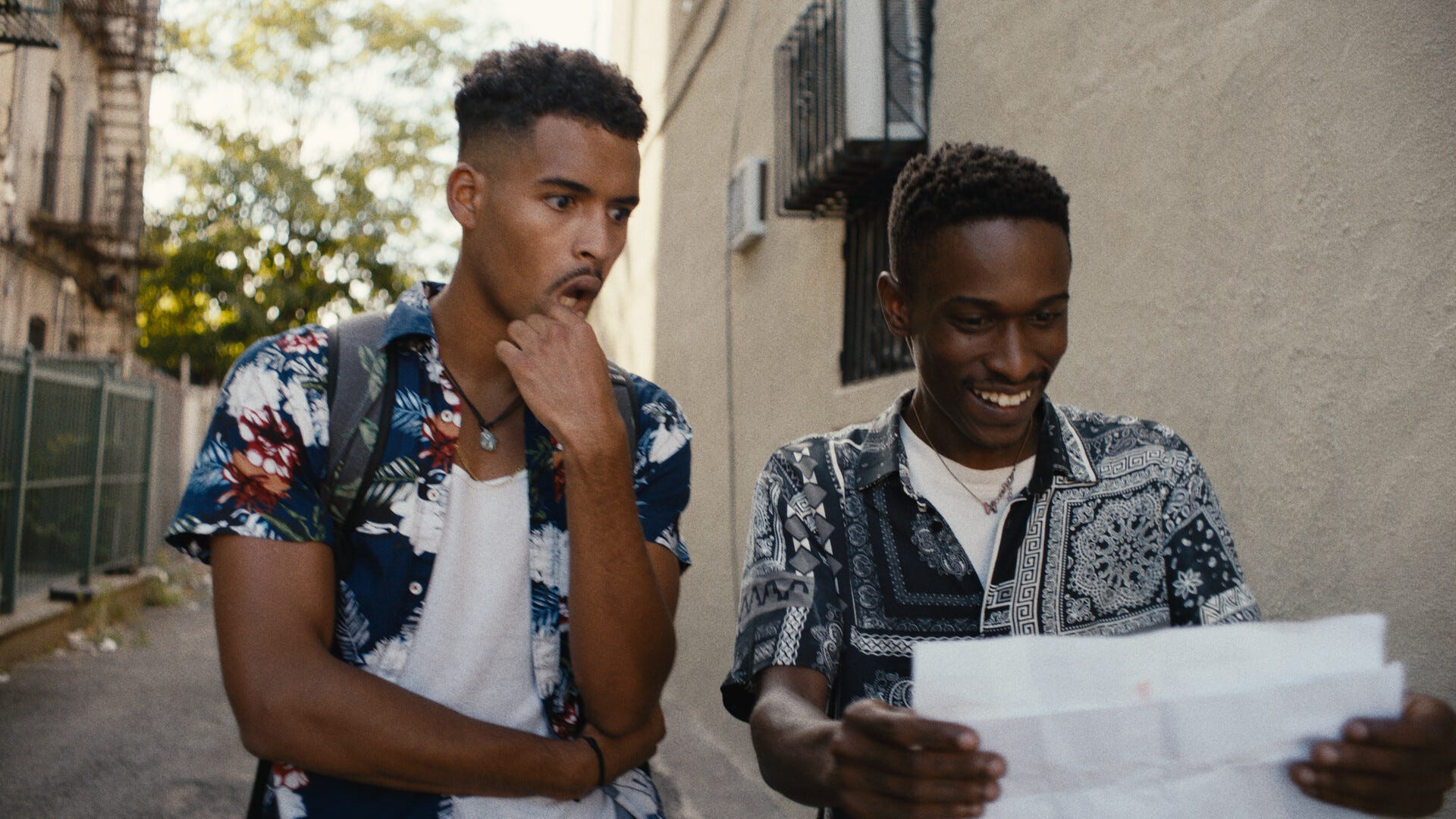
But what if the frame is wrong? What if the frame isn’t false, just premature? What if it’s only one version of the story, uploaded so fast it overwrote the rest before they had a chance to exist?
We used to believe history needed time. That events had to cool before they hardened into narrative. In the old model, something happened, people lived with the mess of it, and only later—after memory blurred and power settled—did someone come along to rewrite it. Revisionist history was a second crime, committed long after the first.
Now the narration arrives immediately. The feed speaks before the dust settles. Metrics decide what matters while the event is still breathing. The winner isn’t the truth—it’s the version that moves fastest, spreads widest, provokes the cleanest emotion. That version becomes “what really happened,” not because it’s accurate, but because it’s efficient.
The losers aren’t erased. That would be too obvious. They’re categorized. Filed under noise, context, edge cases, outliers, and unverified accounts.
What if the frame is wrong? Or more precisely—what if the frame is only one version, uploaded so fast it overwrote the rest?
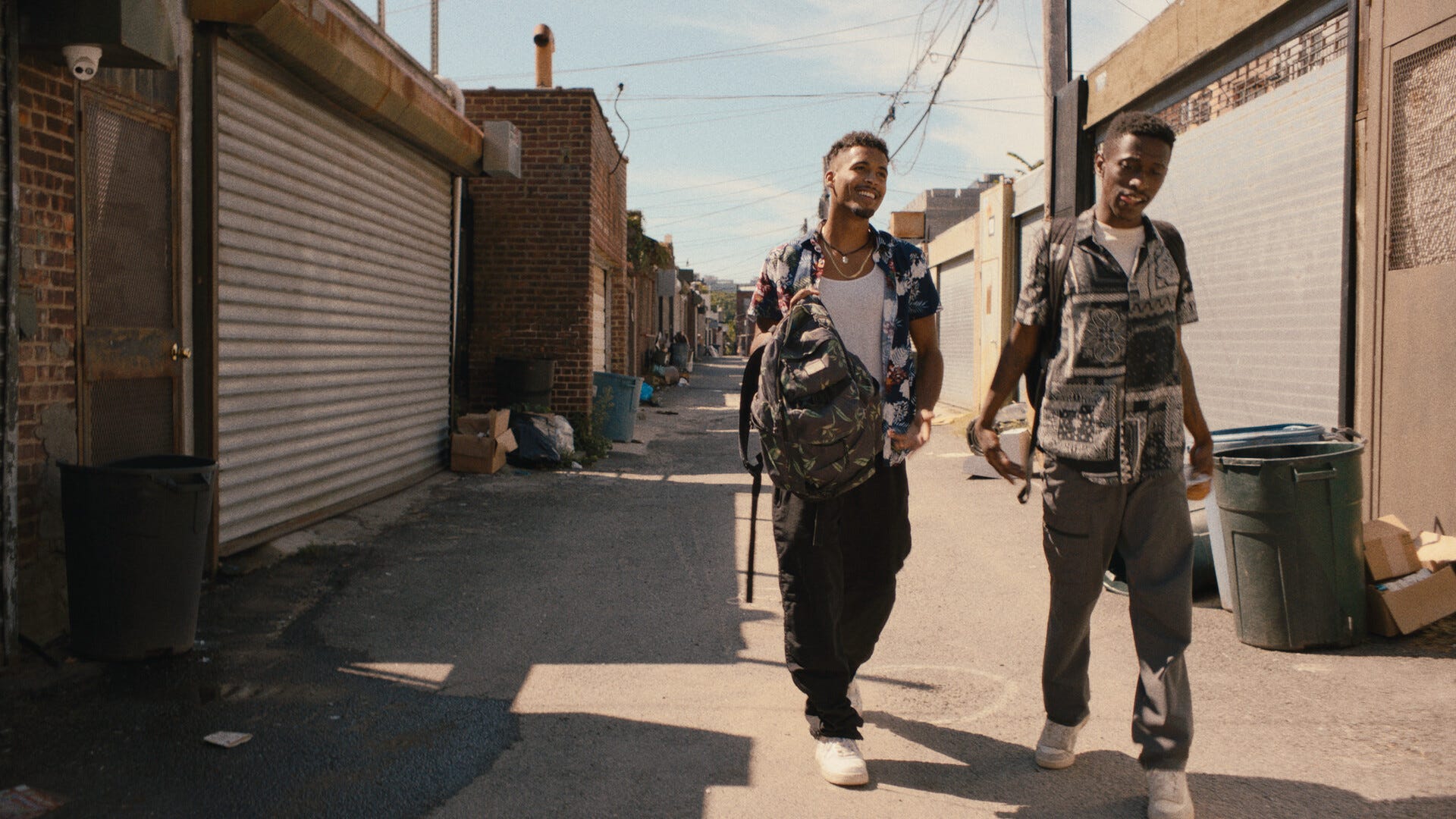
That’s what makes September 13th 2004 such a standout to me. September 13th, 2004 is already owned. It belongs to the dominant narrative—the headlines, hashtags, emotional shorthand. A date compressed into a symbol, or a feeling. When you hear it, you’re not invited to react; you’re instructed to remember. The story arrives fully framed, already interpreted, already closed. Your job as a viewer—or a reader, or a citizen—isn’t to discover what happened. It’s to submit to what’s already been decided.
And submission feels natural, because the frame feels inevitable. The date tells you it knows more than you do. It presents itself as history, when what it really is is curation.
Where drama often reinforces inevitability, comedy exposes its seams. It looks at a system that insists it has captured the meaning of a day and asks a quieter, more dangerous question: What did you miss while you were busy deciding?
Comedy doesn’t deny the weight of the date. It refuses to let that weight crush everything else beneath it. It isn’t a counter-narrative or a hot take or even an attempt to overwrite the dominant story with a louder one. It’s a collision—a human-scale interruption. Two kids in Chicago. A ticket to Oprah. A won car. A foster mom. An IRS letter. Ordinary stakes unfolding inside a day that already believes it understands itself.
And in a world where narration arrives faster than experience, insisting on those human details isn’t nostalgia or denial. It’s resistance. It’s a refusal to let fate be crowdsourced before life finishes happening.
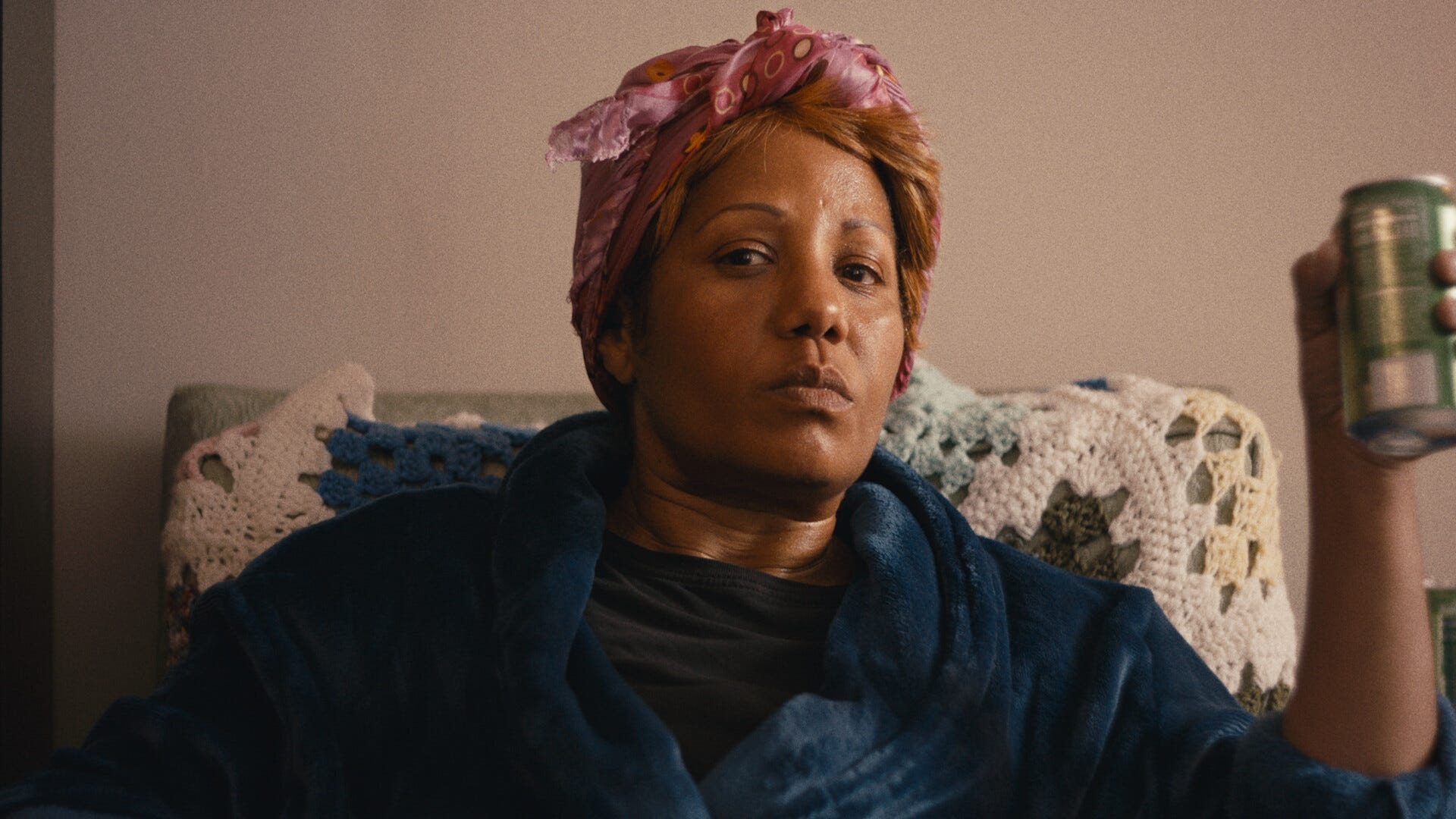
This is revisionism happening live, inside the story itself.
In Kubrick’s world, revisionism happens slowly. History watches first, then speaks. The narrator arrives after the damage is done and tells you, calmly, how it was always going to end. Barry’s life is processed after it’s lived. The verdict comes later—but it still comes. Barry Lyndon teaches you what it feels like when the future owns the present. What’s changed is the timing.
Today, the narrator doesn’t wait. It doesn’t observe and then summarize. It speaks during. It frames while events are still unfolding. It decides what the story is before the people inside it have a chance to understand what just happened to them. The fatalism hasn’t disappeared—it’s accelerated.
September 13th, 2004 isn’t just a pop-cultural punchline. It isn’t just Oprah and cars and daytime television optimism frozen into a meme. That version survives because it’s clean. Because it fits. Because it’s easy to remember.
But while one America was being told it had won something, another America was bracing for Hurricane Ivan, a storm already ripping through the Caribbean and marching toward the Gulf Coast. While one narrative celebrated abundance, entire regions were preparing for loss—homes, power, lives—none of which made for a better clip.
While that day was being flattened into a feel-good symbol, the Iraq War was accelerating, its justifications hardening, its casualties climbing. The Patriot Act was no longer abstract fear—it was operational reality. Surveillance expanded. Rights narrowed. The definition of “security” quietly swallowed privacy, due process, dissent. The machinery was already moving. All of this happened on the same day.
That’s the danger of the timestamped narrative: it doesn’t lie—it selects. It compresses complexity into a single emotional register and calls it memory. The date survives, but only in the shape that travels best. Everything else becomes background noise. Context. Footnotes. “Unrelated events.”

September 13th, 2004 matters to me—not as nostalgia, not as irony, but as proof. Proof that revisionist history no longer waits for distance. Proof that fatalism no longer arrives gently. Proof that the story of a day can be finalized while people inside it are still trying to make sense of their lives.
Where Barry Lyndon shows you a man slowly discovering that the world has already written his ending. September 13th, 2004 asks what happens when that discovery comes too fast when the narration outruns experience, when meaning hardens before memory has a chance to form.
And it’s the world we live in now: where joy and catastrophe coexist, but only one version survives the feed; where history doesn’t wait to be argued over—it’s decided by what moves fastest; where fate isn’t handed down by gods or kings, but by systems that mistake legibility for truth.